Exercise for Working Breeds
Body and brain, every single day. Why high-energy working breeds like German Shepherds need daily exercise and brain work, safe options for puppies, and fun ways to burn energy.
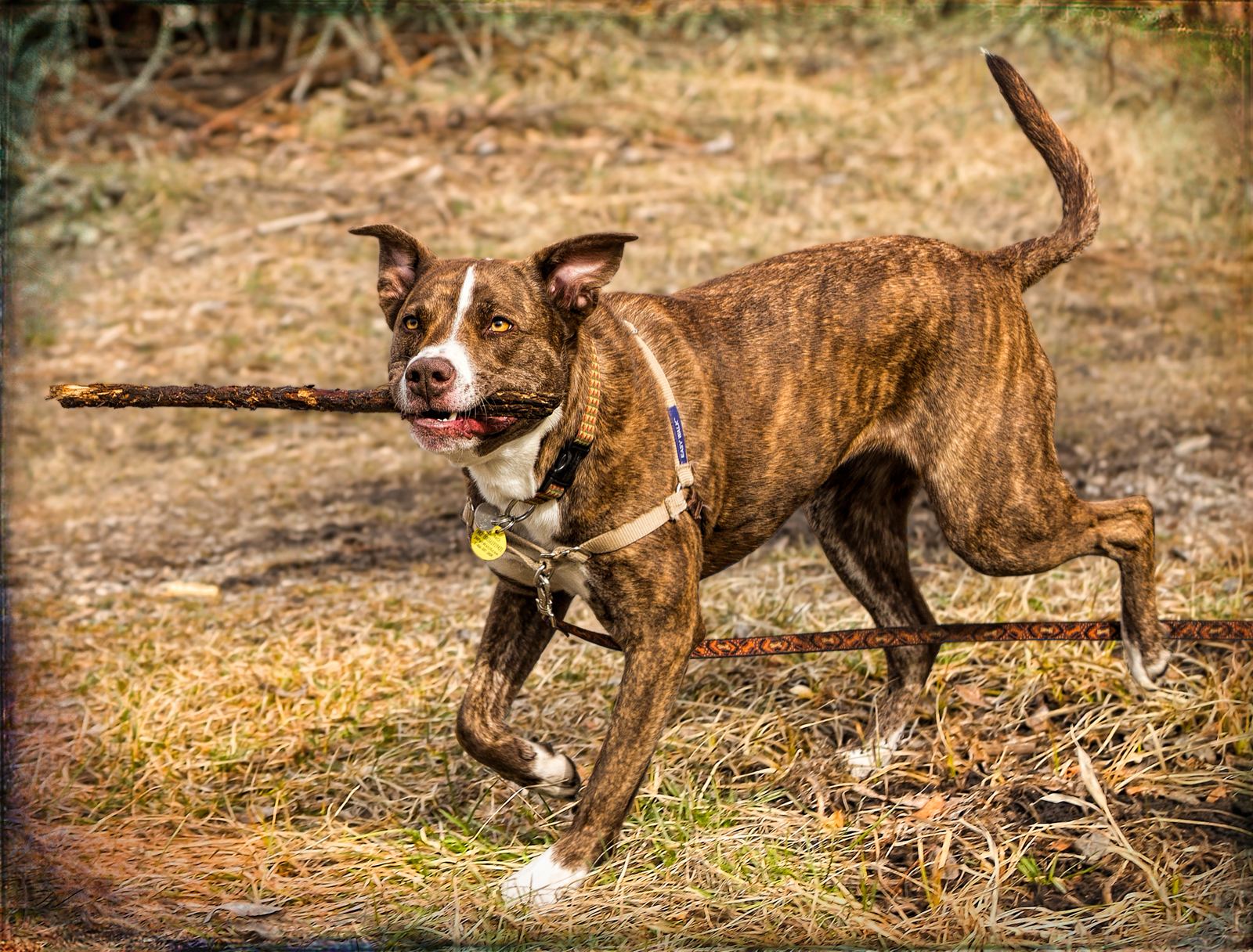
Must get stick: Sheila Sund from Salem, United States, CC BY 2.0
Bred to keep going
Working breeds were shaped to herd, guard, track and search for hours. German Shepherds sit firmly in that group. The AKC notes that high-energy breeds need a lot more exercise than lower-energy breeds, and that activities such as agility, herding, tracking and dock diving give shepherds both physical and mental exercise.
There is no single magic number of minutes. The AKC suggests asking your vet or breeder, because the right amount depends on age, health, build and the individual dog. What stays constant is that a working dog needs something to do every day.
Brain work counts too
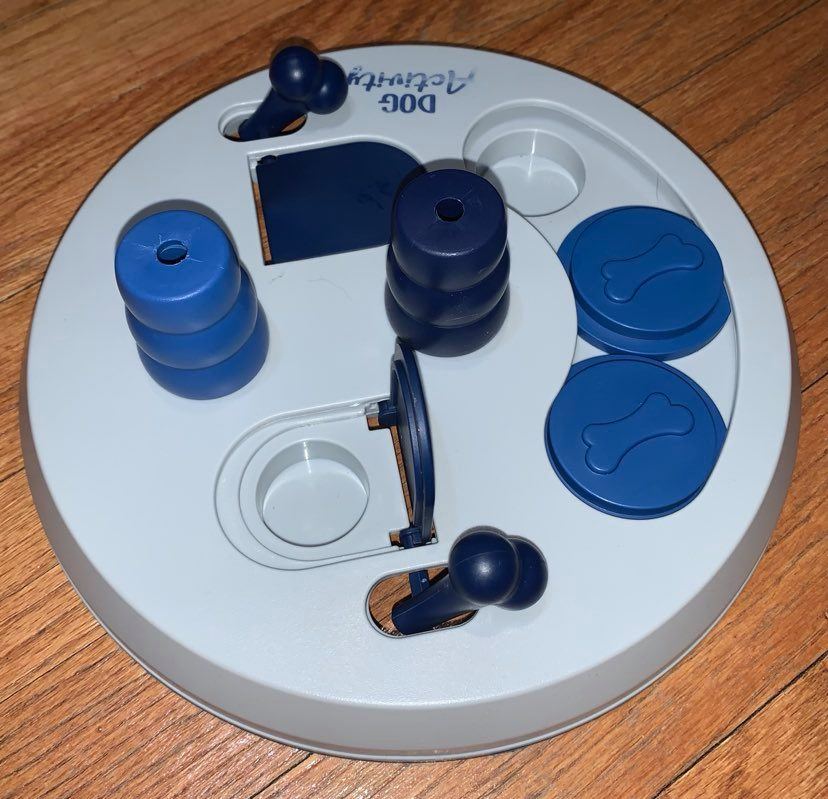
The AKC calls mental stimulation just as important as physical activity. Training sessions, puzzle feeders and scent games can tire a dog surprisingly well, though they are not a replacement for movement.
A good day for a shepherd mixes both: a run, a walk or a hike, plus a few short training games or a sniffing challenge. Nova says the best days include a trail, a ball and a new trick, in any order.
Variety helps as well. A new trail, a game of hide and seek with a toy or a short scent search in the garden all give a working dog fresh problems to solve, which keeps exercise interesting for both of you.
Go gently with puppies
Young dogs are still growing. The AKC advises several short exercise sessions rather than one long walk, because long, hard outings can be too much for a puppy's developing body. Free play on soft ground, short sniff walks and gentle training are ideal.
As your dog matures, you can build up distance and intensity step by step. Your vet can tell you when your dog is ready for longer runs or tougher hikes, especially for a large breed.
Signs you have the balance right
The ASPCA points out that exercise helps dogs avoid boredom, which can lead to destructive behaviour, and that supervised games can satisfy natural urges to dig, herd, chew, retrieve and chase. A dog with the right mix of activity is usually calmer at home and easier to train.
Watch your own dog. Heavy panting that does not settle, limping or reluctance to keep going are signs to stop and rest, and anything that persists is worth a call to the vet.
- American Kennel Club: How much exercise does a dog need?
- American Kennel Club: German Shepherd Dog breed page
- ASPCA: General dog care
Facts on this page were checked against these sources.
- Must get stick: Sheila Sund from Salem, United States, CC BY 2.0
- A food puzzle for brain work: Jessica1954, CC BY-SA 4.0
Text written by NovaHova.
← German Shepherd Coat ColoursHow Smart Are Dogs? Coren's Ranking →