From Puppy to Adult Dog
A friendly care timeline. A gentle timeline from puppy to grown dog: vet visits, vaccines in general terms, socialisation, food, training and exercise. Always follow your vet.
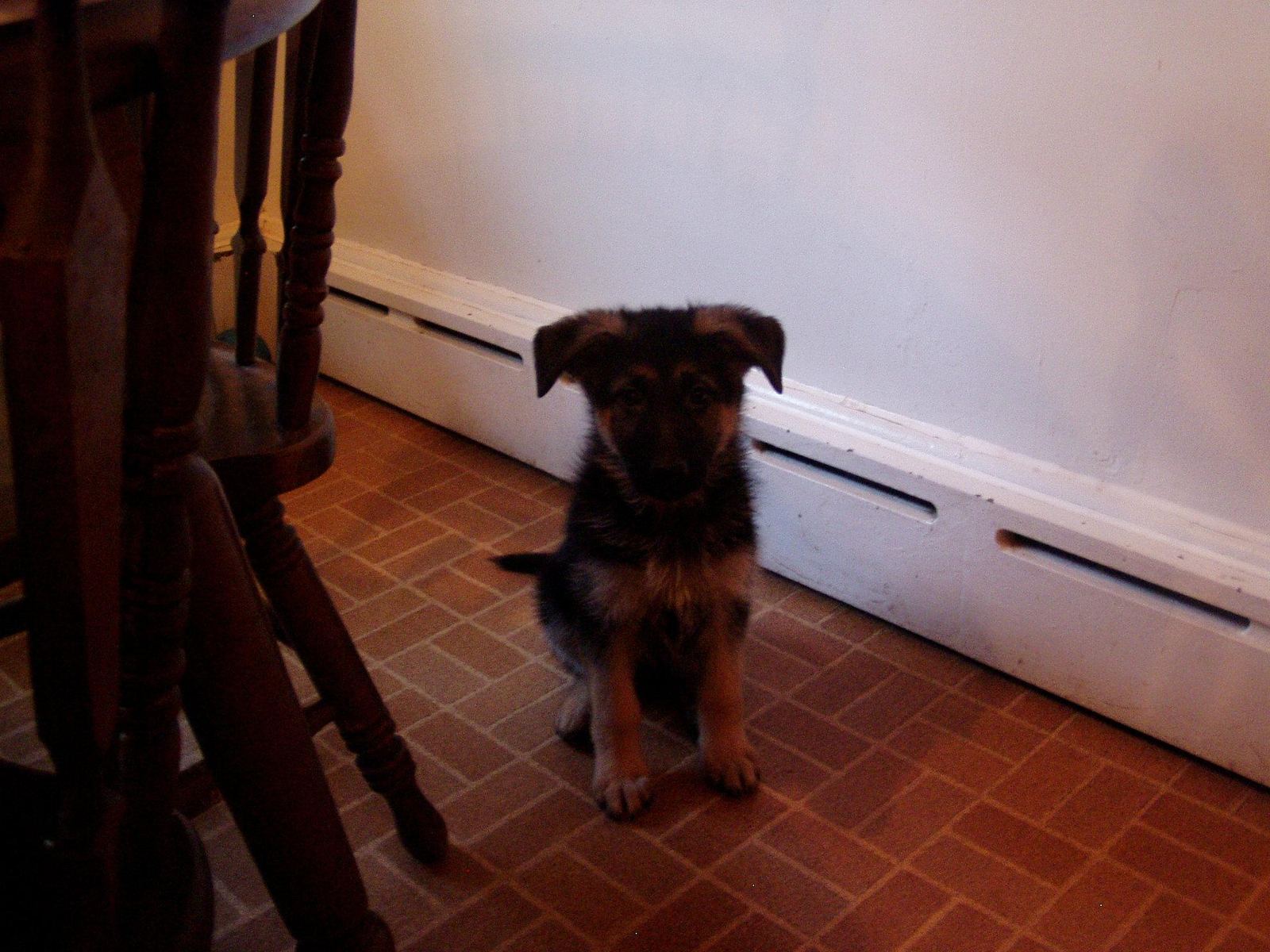
Eight weeks old: Lord Laitinen, CC0
The first weeks home
Bringing a puppy home is exciting and a little chaotic. Book a vet check soon after, so your vet can examine your puppy and set a plan for vaccines, parasite control and health checks. This page gives general information only; your veterinarian is the right person for advice about your own dog.
Start gentle routines from day one: regular meals, toilet trips outside, short naps and calm, happy handling of paws, ears and mouth.
Vaccines in general terms
According to the AKC, puppy vaccines usually begin between 6 and 8 weeks of age and continue in a series until about 16 weeks, with a booster around one year. Core vaccines protect against serious diseases such as distemper, parvovirus and adenovirus, and rabies vaccination is required by law in the United States.
Which vaccines your dog needs, and when, depends on where you live and your dog's lifestyle. Ask your vet to set the schedule, and never give any medicine without their guidance.
Socialisation and training
Puppyhood is the best time to build confidence. Gentle, positive meetings with people, calm dogs, new surfaces and everyday sounds help a puppy grow into a relaxed adult. Ask your vet when it is safe to visit busier places during the vaccine series.
Short, reward-based training sessions fit well into puppy days. Name, sit, come and settle on a mat are great first skills.
Teach your puppy that being alone for short periods is normal and safe. Start with just a few minutes while you are in another room, with a chew toy, and build up slowly. This helps prevent stress later when your dog is grown.
Growing into an adult
The ASPCA recommends high-quality puppy food, choosing large-breed puppy food for large breeds such as German Shepherds. Your vet can tell you when to switch to adult food and how to keep your dog at a healthy weight. Talk to your vet about spaying or neutering and the right timing for your dog.
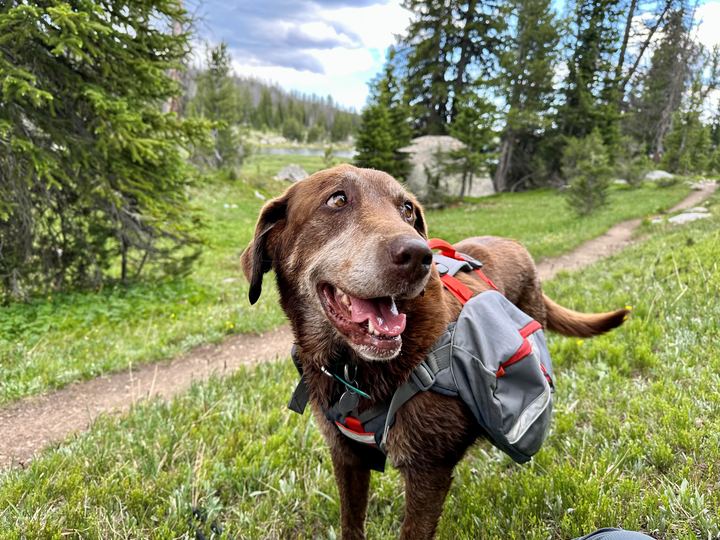
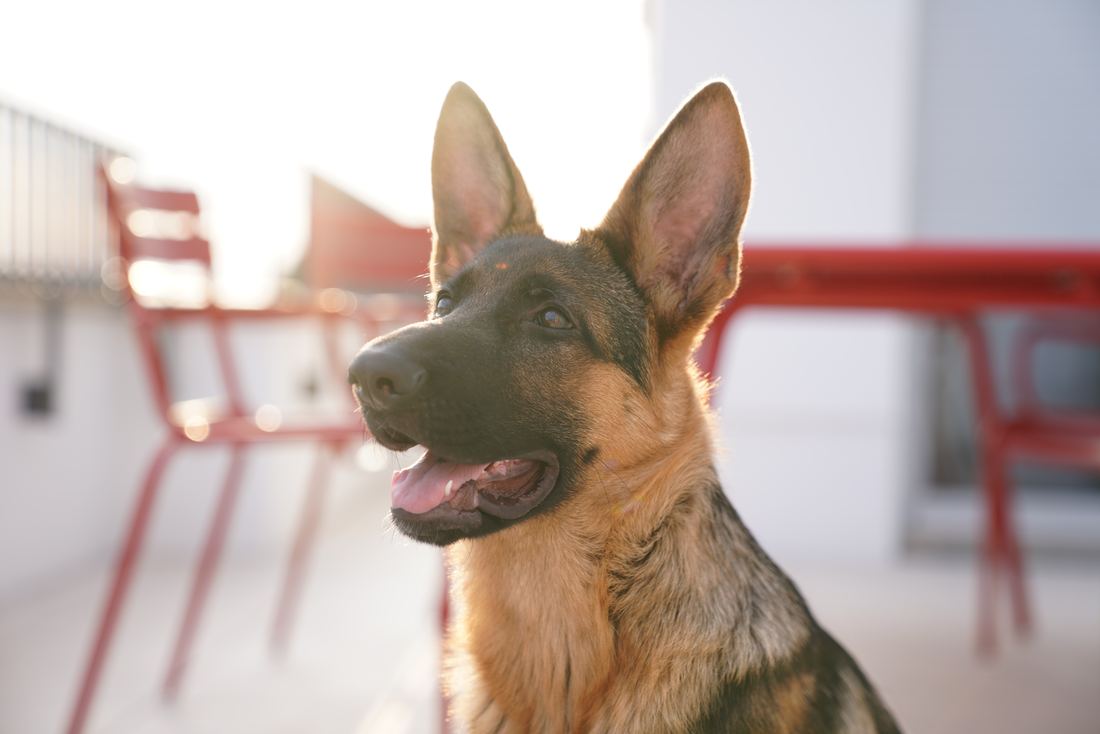
Exercise should grow with your dog: short sessions for puppies, building up to longer walks and hikes as they mature. Nova is about 1 year and 9 months old now, and happily enjoys running and hiking with her owner.
- American Kennel Club: Puppy shots complete guide
- ASPCA: General dog care
- American Kennel Club: How much exercise does a dog need?
Facts on this page were checked against these sources.
- Eight weeks old: Lord Laitinen, CC0
- Five months old: Kristjan S., CC BY-SA 4.0
Text written by NovaHova.