Hiking With Your Dog
Trail safety, water and paws. Plan a safe, happy hike with your dog: leash rules, water and heat, paw care, wildlife and Leave No Trace, plus the National Park Service B.A.R.K. rules.
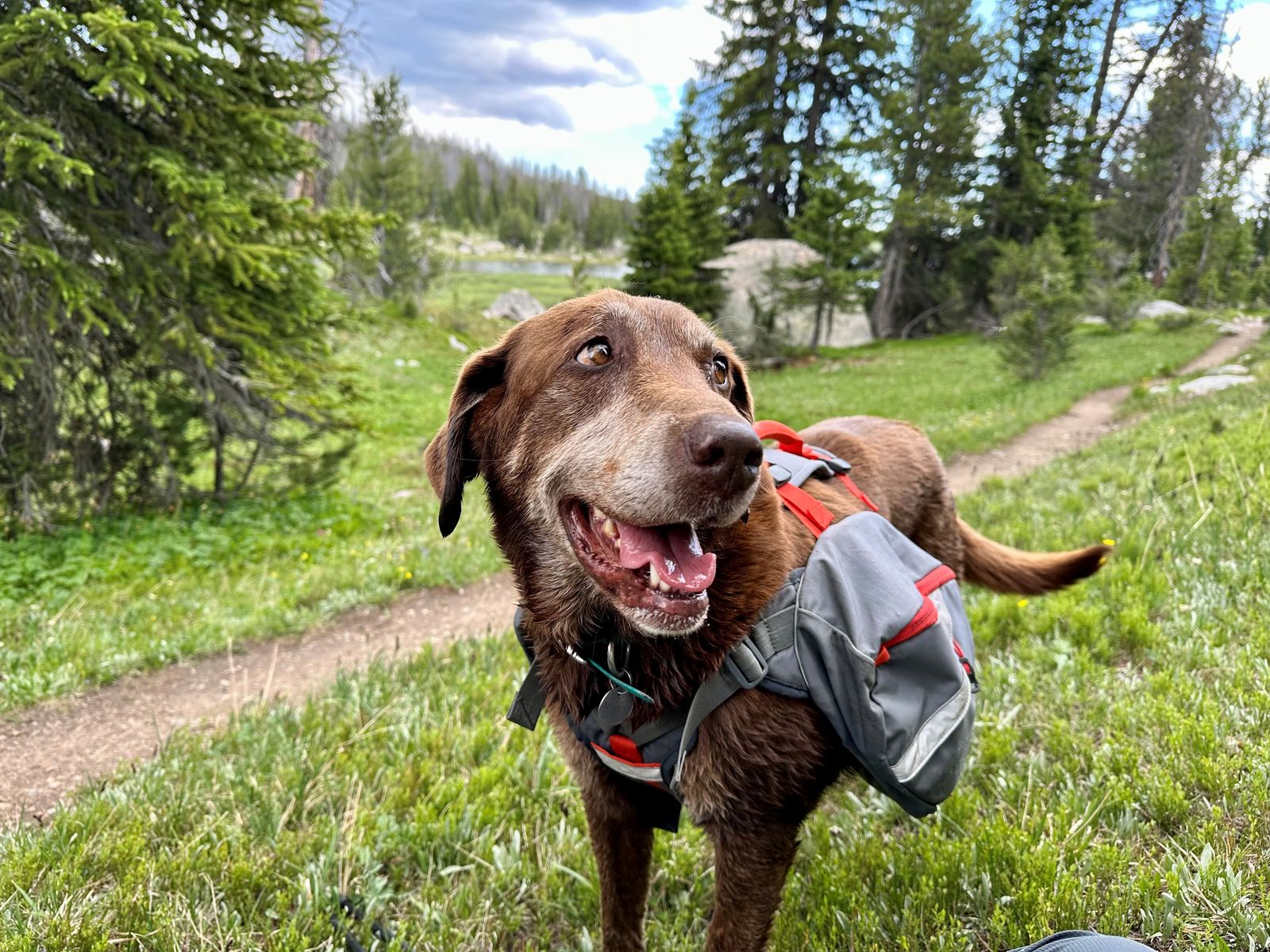
Shelby on the trail: Forest Service - Northern Region, Public domain
Plan before you go
Hiking is one of Nova's favourite things to do with her owner, and good planning keeps it fun. Rules for dogs differ from park to park, so check the website for the place you plan to visit. The first Leave No Trace principle is Plan Ahead and Prepare: know the weather, the regulations and the trail conditions.
Choose a distance your dog is fit for, and build up gradually. Puppies and older dogs need shorter, easier trips, and your vet can advise if you are unsure.
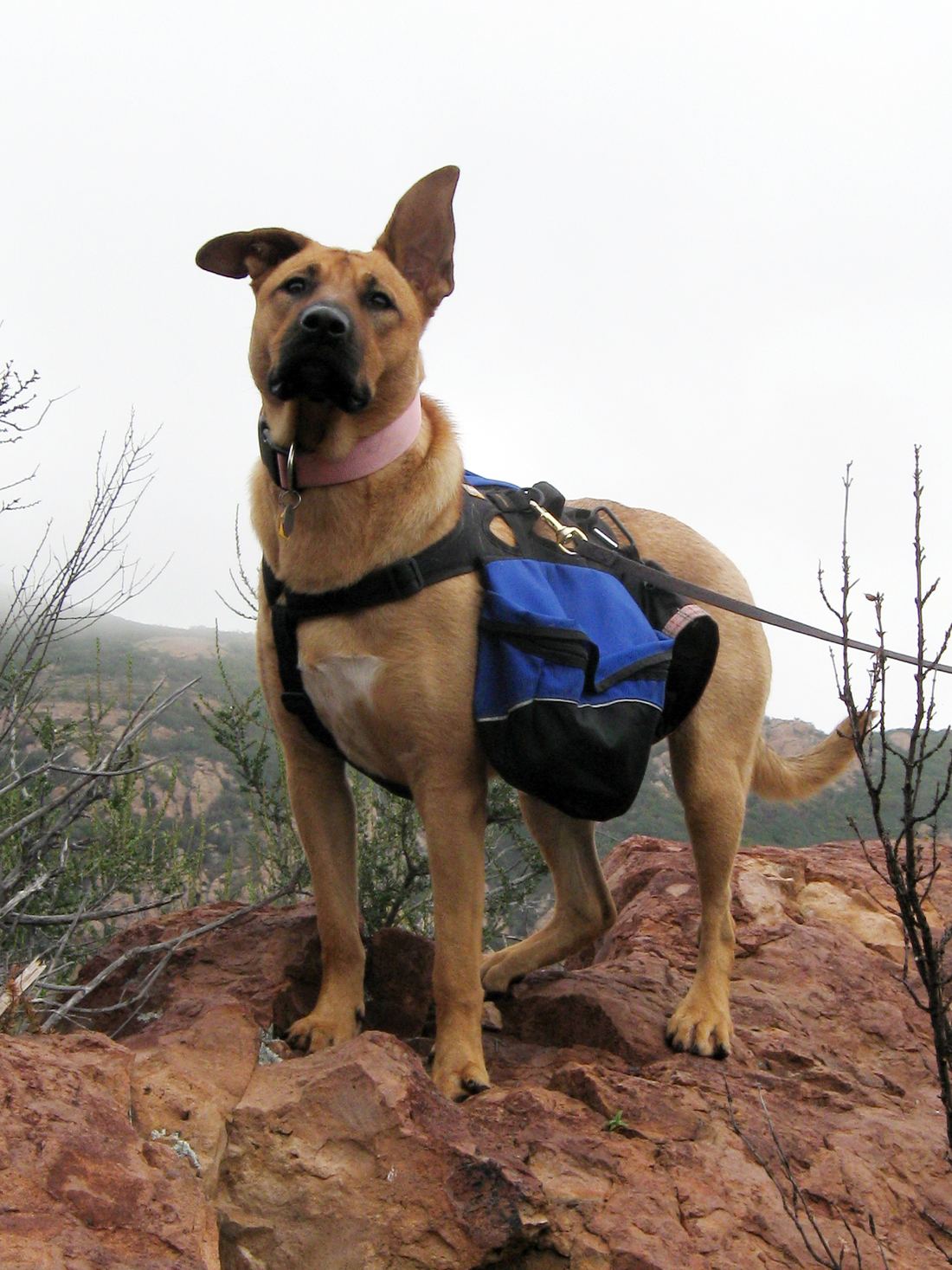
Fit your dog's gear before the trip: a well-fitting harness or collar with an ID tag, and a standard leash rather than a long extending one on busy or narrow trails. Practise a reliable recall and a calm leave it at home first, so you can call your dog away from wildlife or a tempting smell.
The B.A.R.K. rules
The US National Park Service sums up dog etiquette in its B.A.R.K. Ranger program: Bag your pet's waste, Always leash your pet, Respect wildlife, and Know where you can go. Many parks let dogs become official B.A.R.K. Rangers.
These match Leave No Trace ideas too: pack out everything, including pet waste, stay on durable trails, watch wildlife from a distance and be considerate of other hikers. A leash keeps your dog safe from wildlife, cliffs and other dogs, and keeps wildlife safe from your dog.
Water, heat and paws
Dogs can overheat fast. The ASPCA advises plenty of fresh, clean water, shade breaks and avoiding long stretches on hot ground that can burn paw pads. Hike in the cooler parts of the day in summer, and carry water and a bowl for your dog rather than relying on streams or lakes.
Know the warning signs of overheating, such as heavy panting, difficulty breathing, drooling, weakness or collapse. Stop, find shade, offer water and contact a vet urgently if signs are serious. Dark coats like Nova's soak up sun, so extra rest stops help.
After the hike
Check paws for cuts, thorns or worn pads, and look over the coat and ears for ticks and burrs, especially after long grass. Offer water and let your dog rest.
Pack a small kit for each outing: water, bowl, waste bags, a leash, treats and anything your vet recommends for your area. Then enjoy the view together.
- National Park Service: Be a B.A.R.K. Ranger
- Leave No Trace: The 7 Principles
- ASPCA: Hot weather safety tips
Facts on this page were checked against these sources.
- Shelby on the trail: Forest Service - Northern Region, Public domain
- A trail dog with a pack: Mitch Barrie, CC BY-SA 2.0
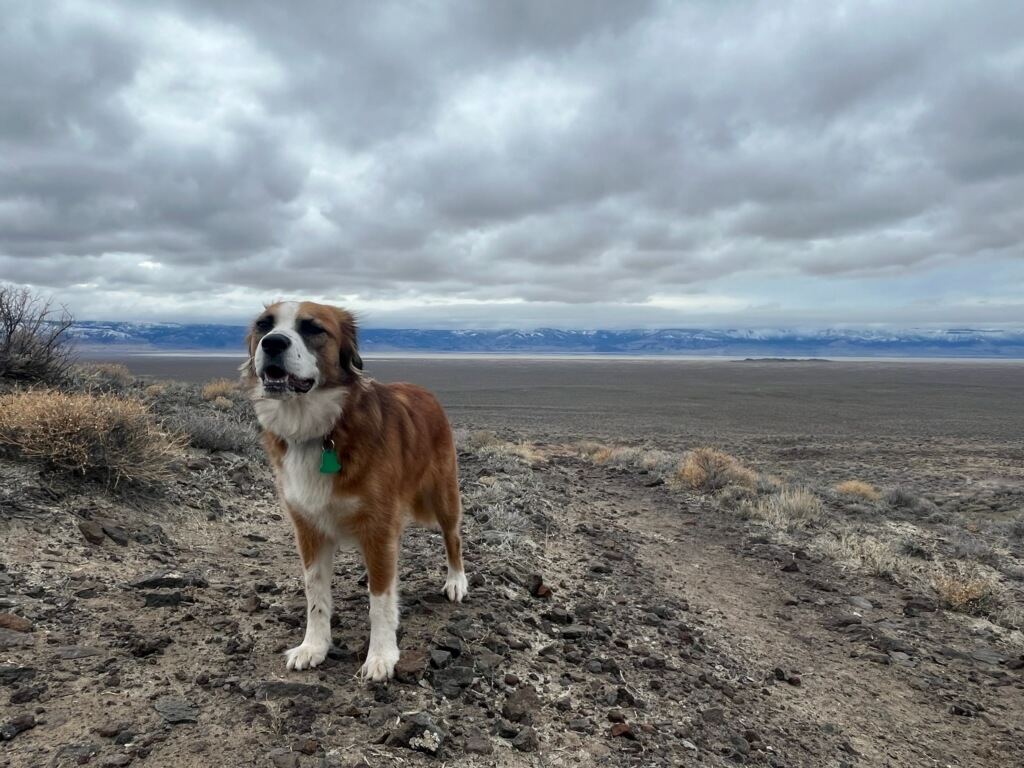
- Exploring public lands: BLM Oregon & Washington, Public domain
Text written by NovaHova.